Welcome to the fifth edition of the DIVINE Project Newsletter!
DIVINE is a Horizon Europe research and innovation action dedicated to unlocking the potential of agri-data sharing and strengthening the data economy in the agricultural sector.
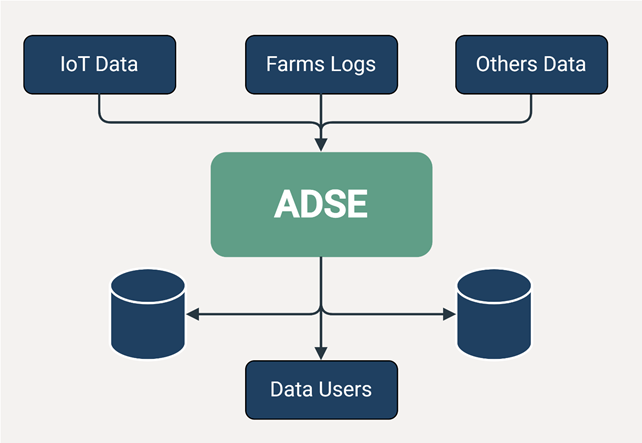
At the heart of this effort lies the DIVINE Agricultural Data Space Ecosystem, designed to enable seamless data exchange across different systems and connect existing data spaces in the agri-food sector, ensuring semantic interoperability, transparency, data protection, trust, sovereignty, and traceability.
Building on this foundation, DIVINE leverages shared data streams, fusing and analysing them to generate meaningful insights for farmers and other agricultural stakeholders. Advanced AI tools developed within the project further enhance efficiency and transparent decision-making by extracting valuable knowledge from these data and visualizing the results through a user-friendly dashboard.
In this newsletter edition, we take a deep dive into both the Agricultural Data Space Ecosystem and the knowledge extraction and decision support systems developed within DIVINE. We highlight their overarching goals, the gaps they address, the main activities carried out so far, key achievements and milestones, their contribution to the DIVINE pilots and finally, their overall impact and future directions.
In addition, this newsletter features major project updates and recent activities, including DIVINE workshops, webinars and online surveys, participation in European and international conferences and other events, as well as pilot-led training seminars and other national-level activities where DIVINE’s work has been showcased.
To stay up to date with the project’s progress, follow us on LinkedIn, Twitter, and Facebook and subscribe to our YouTube channel. For more detailed information, visit our website and contact us at DIVINE-info@lists.cn.ntua.gr.
DIVINE Agricultural Data Space Ecosystem
Objectives
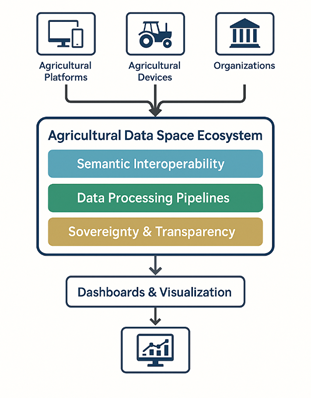
The Agricultural Data Space Ecosystem (ADSE) is an environment that enables agricultural data to be shared, interpreted and reused in a secure, transparent and interoperable manner. Today, agricultural information is often scattered across isolated systems, described using incompatible formats or difficult to combine. The ADSE addresses these challenges by establishing a common data language, shared governance rules and reliable tools that allow platforms, devices and organisations to communicate seamlessly.
The goal is twofold: to make agricultural data more accessible and more valuable for all actors in the agri-food chain, while ensuring that farmers retain full control over their own information. Through unified semantic models, clear governance mechanisms and traceability tools, the ADSE contributes directly to DIVINE’s broader mission of demonstrating the economic, social and environmental value of trustworthy data sharing in agriculture.
Main activities
Common agricultural data models and semantic interoperability
A core activity within the ADSE is the development and evolution of the Agricultural Information Model+ (AIM+), the semantic backbone of the ecosystem. AIM+ serves as a shared dictionary that enables different systems to describe agricultural information consistently. Throughout the project, AIM+ has been updated and expanded while the translation components required to convert heterogeneous datasets into this common format have been created. In parallel, there is an ongoing effort to promote AIM, the foundation of AIM+, as an Open Geospatial Consortium (OGC) standard, strengthening its long-term role in agricultural data interoperability.
Data management and integration
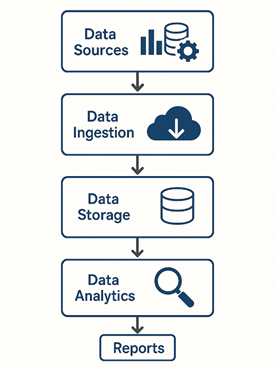
Data ingestion and harmonisation pipelines capable of handling information from sensors, satellite observations, farm management systems and other sources have been developed. These pipelines ensure that agricultural data can be consistently organised, processed and combined across multiple sources. By applying FAIR principles and establishing a uniform processing approach, the ADSE enables pilots to work with richer, cleaner and more meaningful datasets.
Transparency, protection, trust, sovereignty and usage monitoring
Trust is one of the most sensitive aspects and central requirement for agricultural data sharing. DIVINE has implemented mechanisms that guarantee full data sovereignty for farmers, including consent management, access control and transparent usage logs. These tools provide clear authorization and authentication processes – who access data and for what purpose – strengthening trust and ensuring compliance with GDPR and emerging EU data governance regulations.
ADSE development and stakeholder interaction
All these elements are integrated into a coherent and user-friendly ADSE platform. User interactions are continuously refined to ensure smooth operation of the semantic and governance components, supported by the ongoing feedback from pilot partners. Through this iterative stakeholder-driven process, the ADSE evolves in line with real-world needs, bridging the gap between technical design and practical adoption in the agricultural sector.
Key achievements and milestones
The release of the ADSE marks a major milestone for DIVINE. The ecosystem now incorporates semantic interoperability through AIM+, harmonised data processing pipelines, data sovereignty and transparency mechanisms, and user-oriented dashboards and interaction tools. Together, these elements form a comprehensive environment where agricultural data can flow securely and meaningfully across organisational boundaries.
Another significant achievement is the provision of DIVINE Connectors, based on the TRUsted Engineering (TRUE) Connector and fully compliant with the IDS Protocol defined by the International Data Spaces Association (IDSA). These connectors ensure that all data exchanges follow secure, standardised and policy-aware procedures. By integrating them into the ADSE, stakeholders can exchange data with confidence, knowing that security, integrity and usage control are preserved end to end.
Key steps in developing the Data Governance Model
Τhe delivered semantic models, harmonisation pipelines and data governance tools provide essential support for the DIVINE pilot activities. In addition, each pilot received a dedicated DIVINE Connector, enabling them to participate directly in secure data-sharing workflows. These connectors – built on TRUE Connector technology – serve as the trusted, IDS-compliant interface through which pilots can send and receive data while maintaining full sovereignty and traceability.
Thanks to these components, pilots can combine datasets from sensors, farm logs, environmental sources and external services without compatibility or security barriers, enabling richer insights, more efficient decision-making and seamless collaboration.
Finally, feedback from farmers, advisors and cooperatives has been instrumental in refining connectors, governance interfaces and user experience elements, ensuring that the ADSE remains both technically solid and practically relevant to the agricultural community.
Impact and future directions
Several components developed within DIVINE will continue to provide value beyond the project’s lifetime. AIM+, now validated across multiple use cases, can serve as a reference semantic model for future data-sharing initiatives. The ADSE data-processing pipelines, data sovereignty modules and IDS-compliant connectors offer a reusable foundation for building secure and interoperable data ecosystems at regional, national and European levels.
By bringing semantic interoperability, data sovereignty and secure exchange mechanisms under a single framework, DIVINE is positioned as a concrete step toward the future Common European Agricultural Data Space. The work carried out demonstrates that a trustworthy and value-driven data economy in agriculture is achievable when supported by clear standards, robust tools and active stakeholder engagement.
Knowledge extraction, decision support and benchmarking
Objectives
DIVINE provides targeted knowledge extraction and decision support mechanisms that address pilot-specific needs, considering both field-collected information and data deduced from cost/benefit analyses and stakeholder-specific criteria, aiming at improving decision-making efficiency. Moreover, DIVINE is committed to develop benchmarking mechanisms and tools to support cost/benefit analysis, as well as to measure and predict related agricultural KPIs, evaluating the effectiveness of different interventions and demonstrating the benefits of agri-data sharing. Finally, all these are integrated into a user-friendly dashboard to allow end users to interact with results, provide feedback and further tailor decision support to their operational context.
Main activities
Targeted agri-data analytics, fusion and knowledge extraction
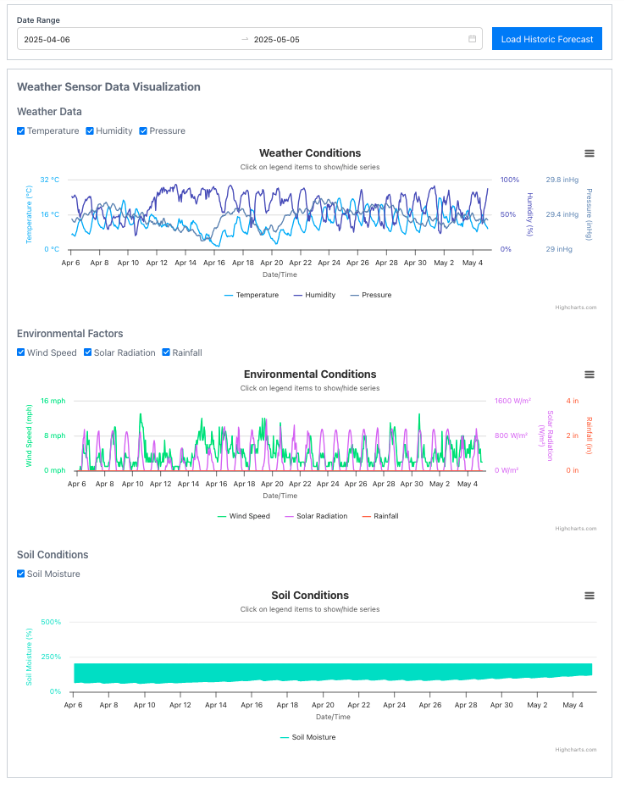
These activities are pilot driven, addressing the specific needs of each pilot. DIVINE has developed an application that computes up to 23 agroclimatic indicators per pilot, providing critical information on weather conditions for agronomists and farmers. Data analytics are supported by fusion and knowledge extraction mechanisms, which process and distribute data efficiently. DIVINE employs machine learning and deep learning techniques, as well as prescriptive analytics, capitalising on existing software packages, libraries, and frameworks.
Agricultural domain benchmarking & KPI monitoring support
A benchmarking framework has been implemented to evaluate the performance of DIVINE facilities, as well as the costs, benefits, risks, and added value of agri-data sharing, using KPIs in the following four areas:
- Agronomic performance
- Economic performance
- Environmental sustainability
- Societal impact
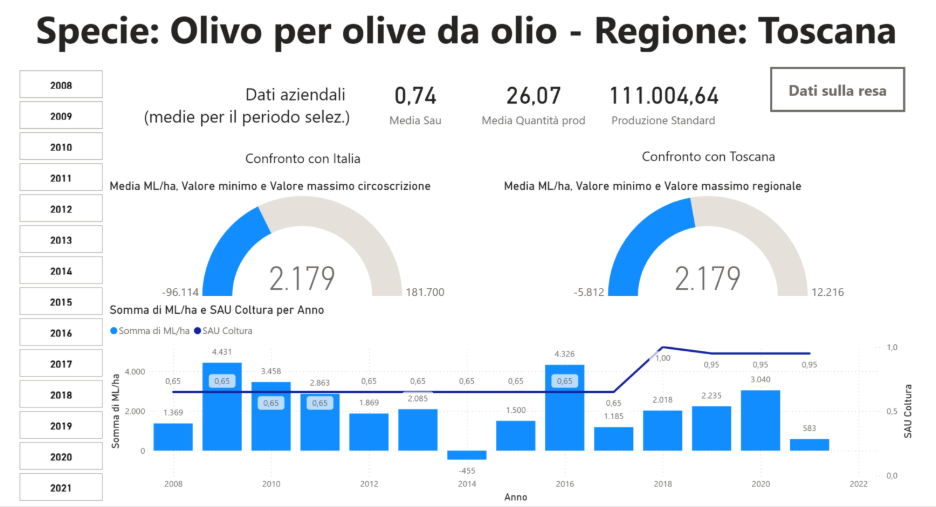
Transparent decision-making support for agri-stakeholders
A customisable, self-service dashboard has been delivered, facilitating access to and interaction with data and decision-support services for agri-stakeholders. The dashboard enables:
- Querying decision support services
- Visualising data analytics and benchmarking outputs from pilot actions
- Performing “what-if” scenario analyses
Some key attributes of the dashboard include:
- Responsive UX adaptable to various platforms
- Self-service features allowing users to prioritise services of interest and interact with them
Stakeholder decision criteria specification and feedback collection
Pilots have guided the development of a customisable dashboard that integrates data outputs and decision support tools. The needs of the four pilot stakeholder groups have been thoroughly incorporated through a collaborative, multi-actor approach, aligned with the guidelines for pilot monitoring and regulatory compliance. While these activities focus on supporting the pilot-specific requirements, they have been closely coordinated with the broader dashboard work to ensure coherent visualisation and usability at a global platform level.
Key achievements and milestones
The final software release marks a major milestone for DIVINE, delivering a complete suite of tools for knowledge extraction, decision support and benchmarking. A key component is the custom-built dashboard, designed with a modular architecture and mobile responsiveness. Rendered as a responsive web application, the dashboard adapts seamlessly across devices, ensuring optimal user experience. Upon login, stakeholders can view the catalogue of available tools and request access to those most relevant to their needs, enabling personalised interaction with data analytics, indicators and decision support services.
Support to DIVINE pilots
DIVINE AI solutions and data-analytics tools have been developed in close collaboration with pilot partners, ensuring that each component directly supports real operational needs. The delivered software offers advanced data fusion, knowledge extraction and targeted data analytics capabilities, enabling pilots to transform raw agricultural data into actionable insights and enhance decision support. For example, DIVINE smart tools can extract soil humidity information and assess plant condition directly from captured images.
Pilot feedback played a crucial role in shaping the final release of these tools and mechanisms, refining algorithms, improving usability and ensuring that outputs are aligned with practical decision-making processes. This collaborative approach ensured that all models and tools are not only technically robust but also operationally relevant.
Each pilot benefited from customised AI applications tailored to its specific challenges:
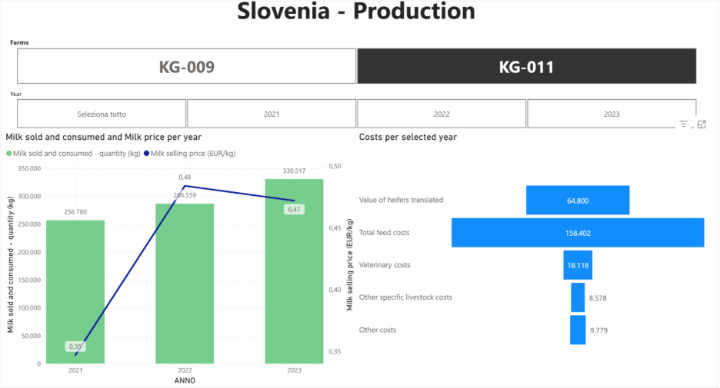
- Pilot 1 (Slovenia): DIVINE optimisation algorithms were used to improve milk production efficiency based on farm-specific conditions and constraints.
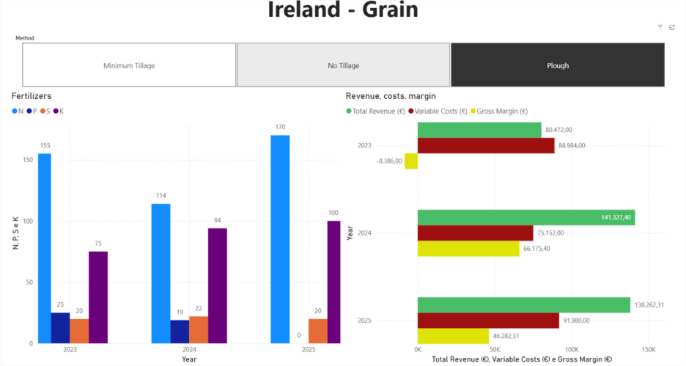
- Pilot 2 (Ireland): AI models were developed to detect and count plants in field images, supporting more precise crop assessment.
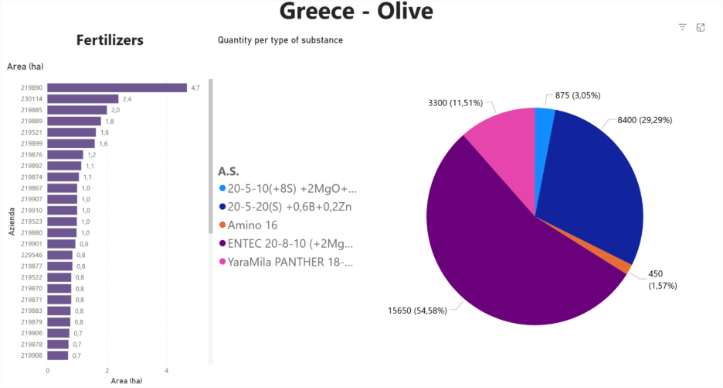
- Pilot 3 (Greece): DIVINE generated up to 23 agroclimatic indicators essential for crop monitoring and agronomic planning.
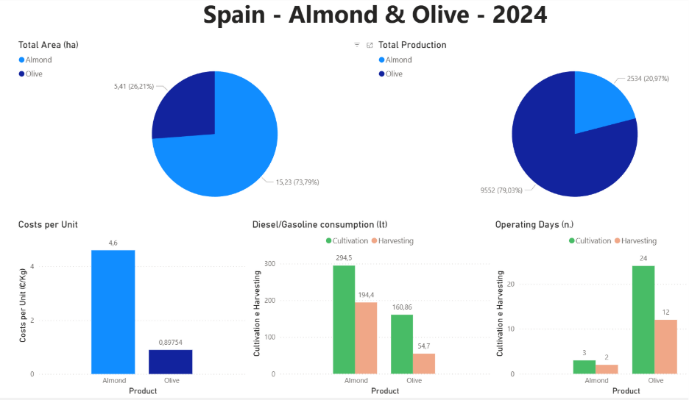
- Pilot 4 (Spain): Deep neural networks were trained to predict irrigation needs, while linear regression models were used to estimate evapotranspiration.
Impact and future directions
DIVINE’s work on knowledge extraction, decision support and benchmarking delivers several tools and models that will remain valuable well beyond the project’s duration. Core components, such as the agroclimatic indicator engine, AI-based image analysis models, the benchmarking framework, KPI monitoring tools and the customisable decision-support dashboard, can be readily reused or extended by future research initiatives, agricultural service providers and farm advisors.
These solutions offer long-term opportunities for stakeholders across the agri-food chain. Farmers and cooperatives can benefit from more accurate predictions and transparent decision-making, agronomists can leverage harmonised indicators and analytics, while technology providers can build new services on top of DIVINE innovative solutions.
By combining advanced analytics, trustworthy AI models and user-centric decision-support functionalities, DIVINE contributes to the EU’s wider digital transformation and AI objectives. Its outputs demonstrate how responsible, high-quality AI can enhance agricultural productivity, sustainability and resilience, and pave the way for future innovation in data-driven farm management.
Recent news and events
The DIVINE survey is now live – Share your insights
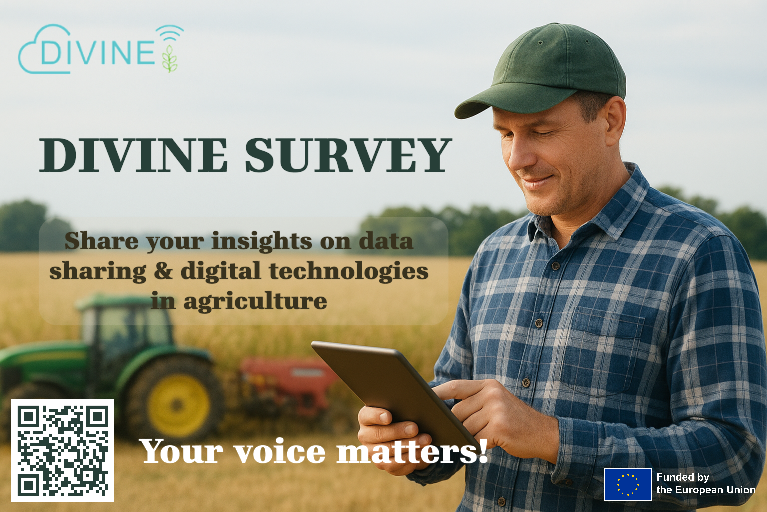
In May 2025, we launched a brief online survey on data sharing and digital technologies in agriculture. In DIVINE, we want to hear from you! Your voice matters!
We invite farmers, agricultural advisors, farmer cooperatives, agribusinesses, and all agricultural stakeholders to participate and share their experiences and perspectives, including current practices, concerns, and motivations around agricultural data sharing.
Your insights are essential to improving how agricultural data is shared and used in ways that directly benefit farmers. By contributing, you help us shape better support systems, fairer policies, and more practical digital tools, aligned with farmers' real needs and priorities.
The survey is still open. Click here to participate!
It takes approximately 10 minutes to complete. Your responses will remain fully anonymous and confidential. No personally identifiable information will be collected, and your answers will be aggregated and analyzed solely for research and policy development, fully protecting your privacy.
Thank you for your participation!
DIVINE workshop at Global Food Forum 2025
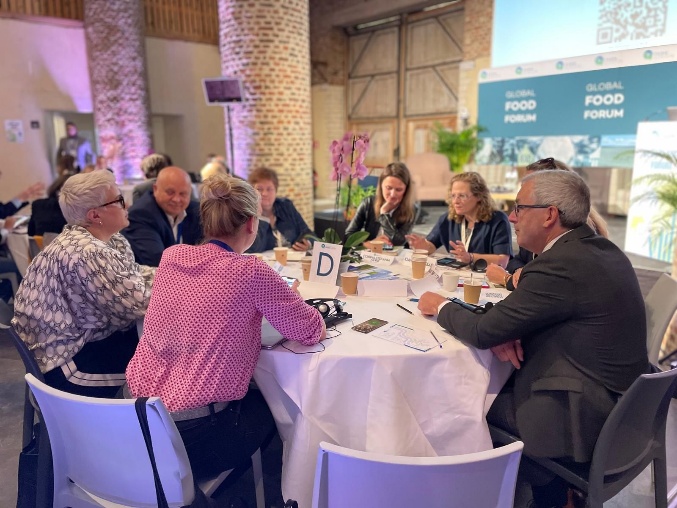
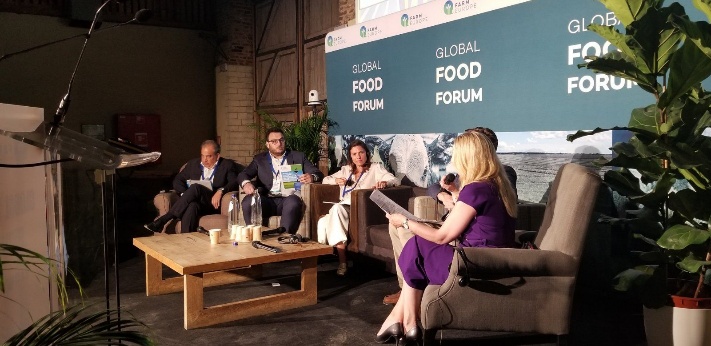
On May 12-13, the Global Food Forum 2025, hosted by FARM EUROPE on a farm in Belgium, brought together over 150 key stakeholders committed to shaping the future of European agriculture. DIVINE was proud to contribute to this impactful event for the agri-food sector.
From European Commissioners, members of the European Parliament, national ministers, EU officials from DG AGRI, DG SANTE and DG TRADE and former EU leaders to agri-food industry leaders, farmers’ associations, academics, and civil society representatives, the forum fostered dynamic discussions on revitalizing the agri-food sector as a sustainable engine for growth in Europe.
This year’s Global Food Forum was particularly special, celebrating FARM EUROPE’s 10th anniversary and focusing on translating a bold EU vision and roadmap into concrete, sustainable actions to shape the future of the Common Agricultural Policy (CAP).
The DIVINE Project actively contributed through panel discussions and workshops, highlighting how secure and effective agri-data sharing can strengthen European agriculture. Many attendees visited our booth to learn about our approach to boost the agricultural data economy through demonstrations and real-world pilots. We also seized the opportunity to launch our survey on data sharing and digital technologies in agriculture during this prestigious event.
DIVINE at the EU “Vision for Agriculture and Food” conference
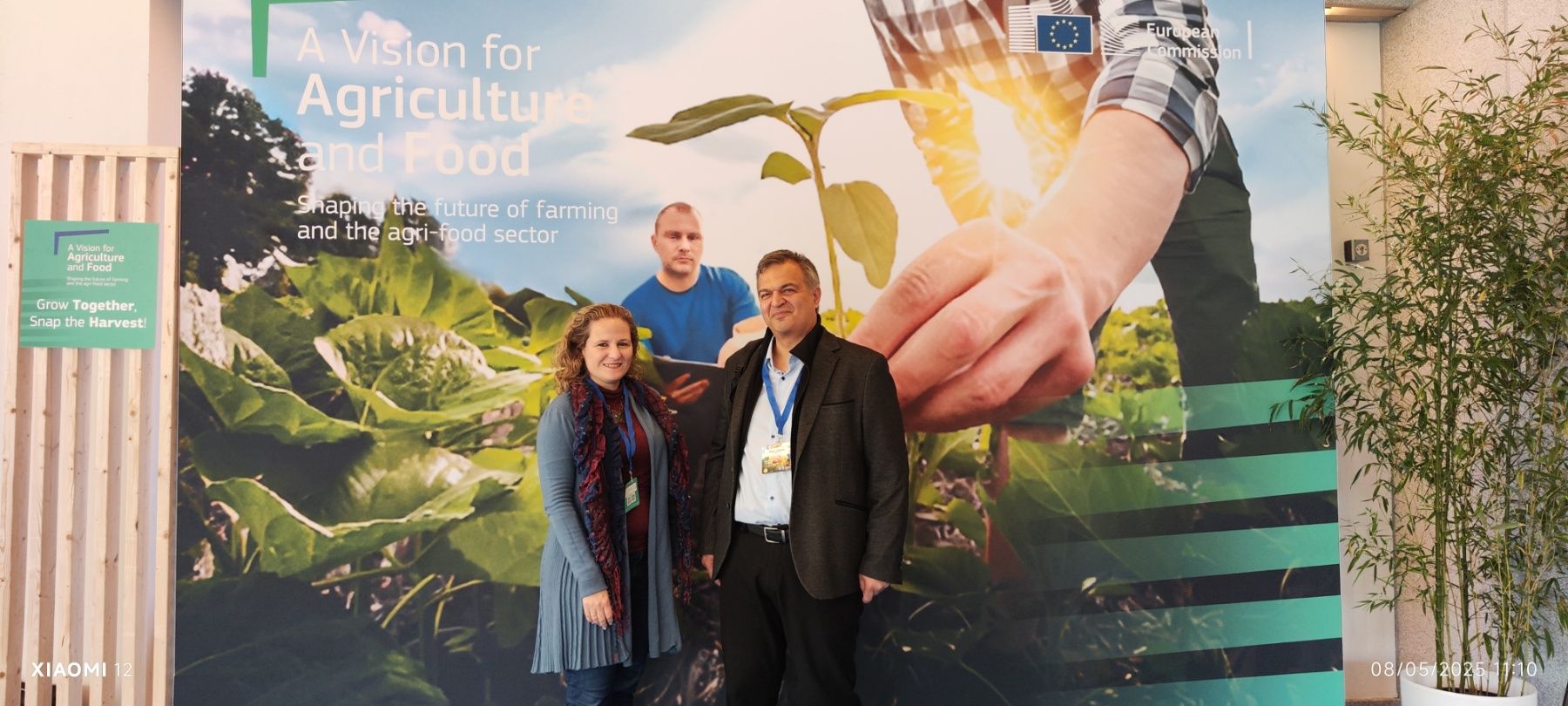
On May 8th, the Directorate-General for Agriculture and Rural Development (DG AGRI) hosted a conference in Brussels, Belgium, on the Vision for Agriculture and Food, focusing on the theme: “Shaping the future of farming and the agri-food sector”.
The event brought together a broad range of stakeholders — from agri-food industry leaders and policymakers to civil society, academia, and rural communities — to:
- Build consensus around the vision and its roadmap
- Collect feedback on next steps
- Engage in discussions on the future direction for the Common Agricultural Policy (CAP) post-2027
Key priorities included: resilience, competitiveness, fairness, entrepreneurship, excellence and climate protection.
The DIVINE project was proud to be present at this high-profile event. Our project coordinator, Ioanna Roussaki, promoted DIVINE’s innovative approach in support of the European vision for agriculture and food. The event also provided a valuable platform to connect with key actors in the European agri-food sector, paving the way for potential partnerships and the wider uptake of DIVINE results.
DIVINE 8th plenary meeting
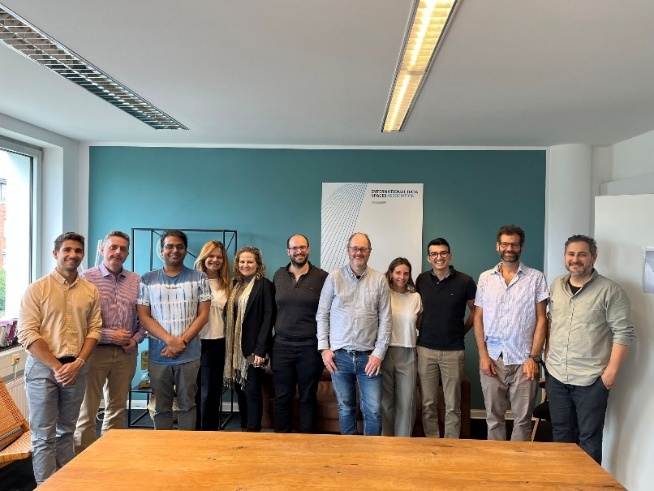
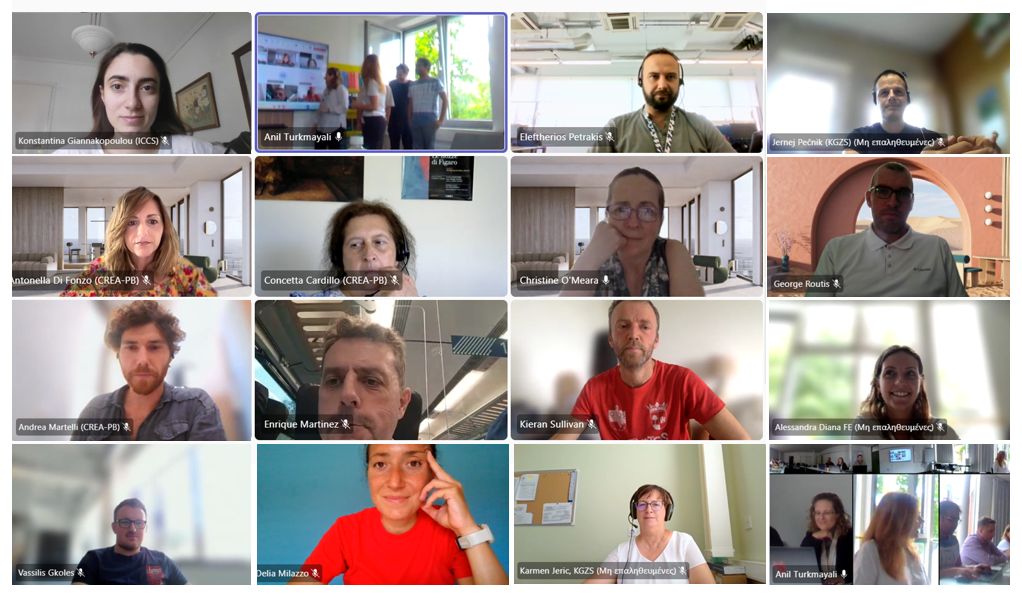
The DIVINE project successfully held its 8th plenary meeting from June 25-27 in Dortmund, Germany – a key milestone as we move toward the final phase of the project.
The consortium gathered to review progress, align ongoing efforts, and define strategic next steps to ensure the successful completion of the project, ultimately strengthening the agri-data economy and advancing the data-driven transformation of agriculture in Europe.
Highlights from the meeting included:
- Key insights from the second round of the four DIVINE pilots
- Technical sessions on the Agricultural Data Space Ecosystem, knowledge extraction tools and integration
- Discussions on policy, data governance, stakeholder engagement and exploitation strategies
A heartfelt thank you to International Data Spaces Association (IDSA) for hosting this meeting and for their warm hospitality!
DIVINE presentations at international scientific conferences
IWCMC 2025
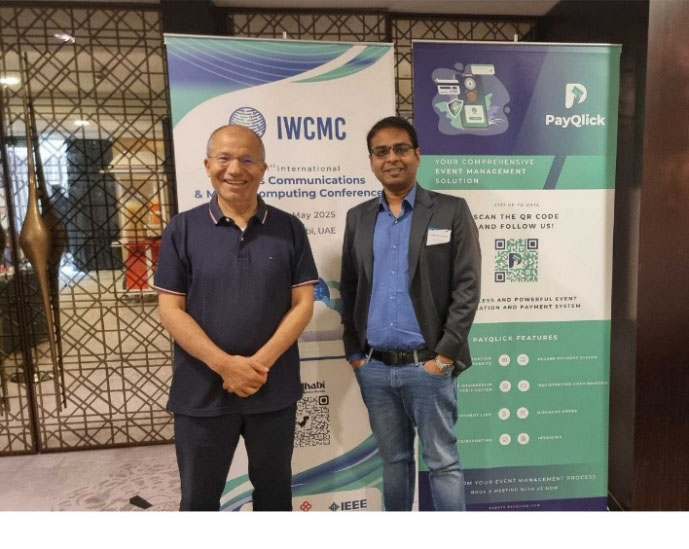
Soumya Kanti Datta, the CEO of Digiotouch R&D, represented DIVINE at the 21st International Wireless Communications & Mobile Computing Conference, held in Abu Dhabi, on 12-16 May.
During the conference, he presented the research paper “A Reference Architecture for Agricultural Data Spaces: Case Study form the DIVINE Project”, co-authored with Tomaz Bokan from Innovation Technology Cluster (ITC) and Lara Resman from Kmetijsko Gozdarski Zavod Murska Sobota (KGZS).
This article highlights the added value of the proposed reference architecture for agricultural dataspaces and how it is being validated through the real-world DIVINE pilots. This innovative approach addresses key challenges in agriculture, including interoperability, security, and real-time analytics, unlocking the power of agri-data.
IEEE COINS 2025
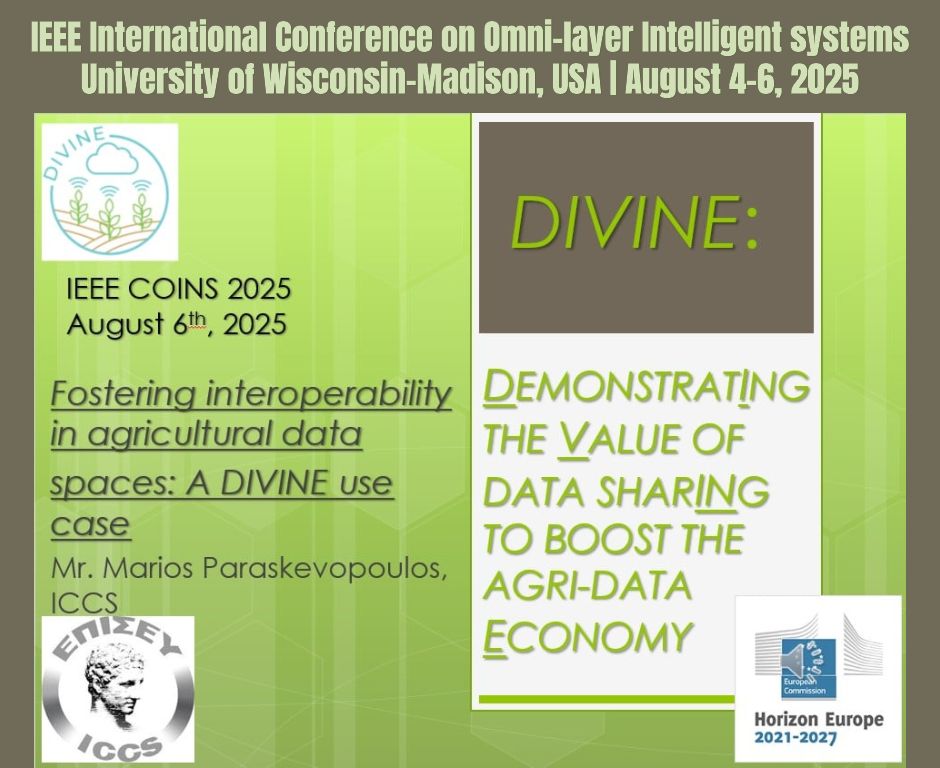
On August 6, Marios Paraskevopoulos from ICCS - NTUA, presented our work “Fostering interoperability in agricultural data spaces: A DIVINE use case”, co-authored with Ioanna Roussaki, at the IEEE International Conference on Omni-layer Intelligent Systems 2025, hosted by the University of Wisconsin-Madison in USA.
IEEE COINS featured a multi-disciplinary program, including research papers, panels, workshops, and tutorials on cutting-edge developments in AI and AIoT, and their transformative impact on society, including smart agriculture applications.
DIVINE stood out for its innovative approach to connecting agricultural dataspaces, ensuring multi-layered interoperability and paving the way for more efficient, scalable, and sustainable digital agriculture.
IJCAI 2025
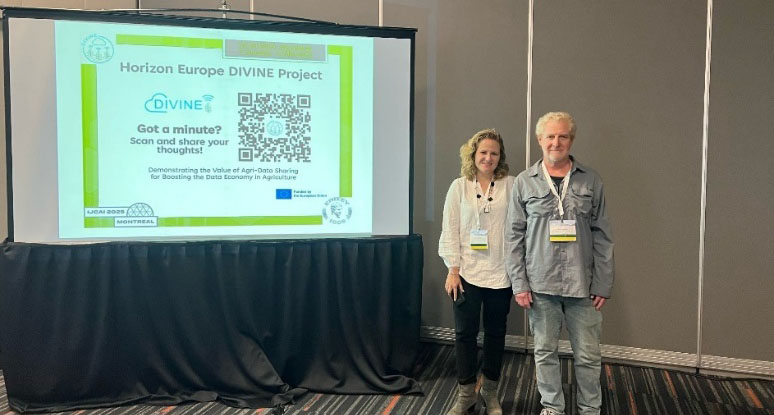
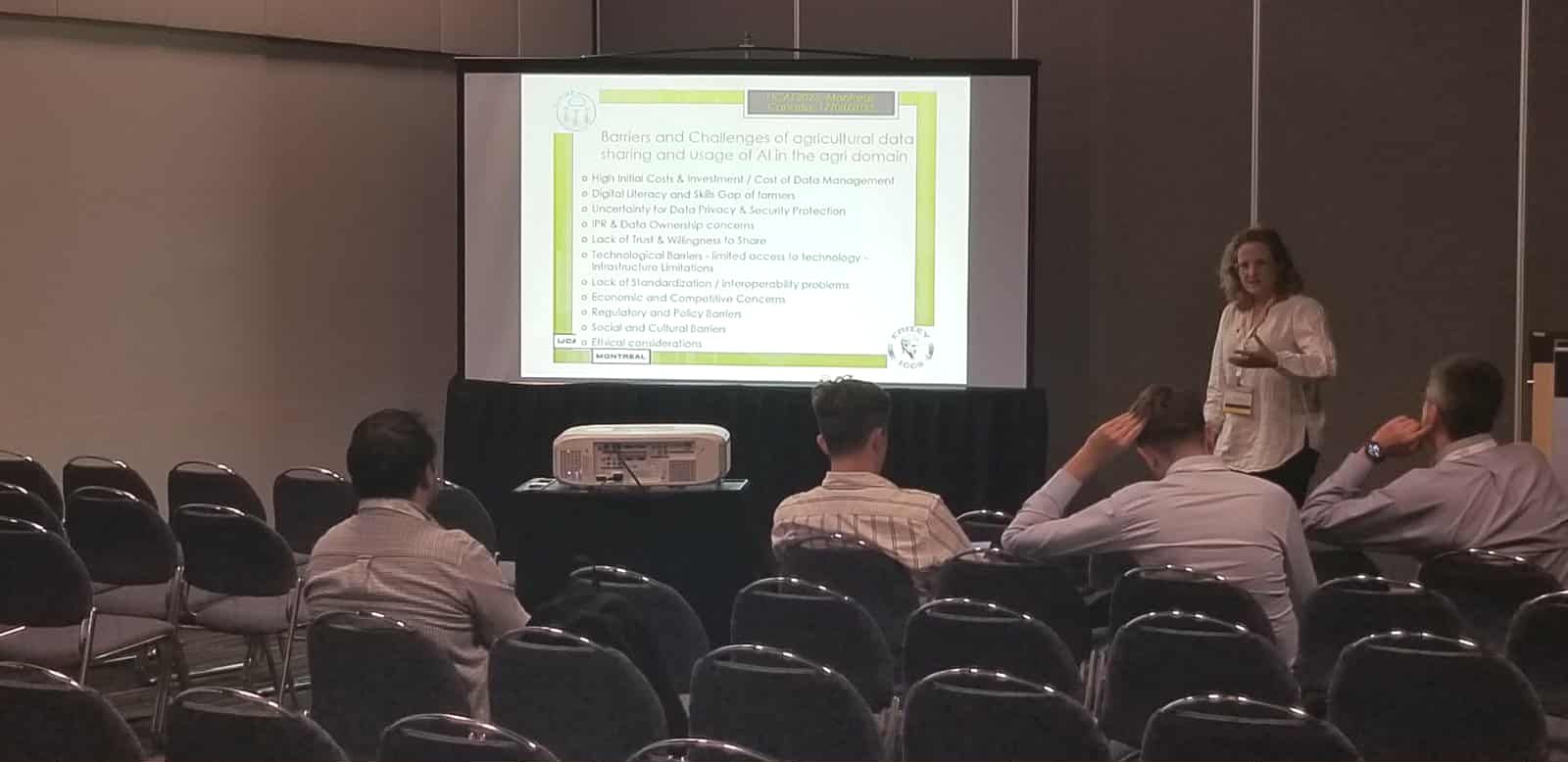
DIVINE was showcased in an invited talk delivered by Ioanna Roussaki from ICCS - NTUA during the Artificial Intelligence for Sustainability workshop at the 34th International Joint Conference on Artificial Intelligence, which was held in Montreal, Canada, on 16-22 August.
The presentation highlighted:
- Success stories from the DIVINE pilots
- AI applications developed within the project
- Insights on agricultural data sharing
- Key elements of the CEADS - Common European Agricultural Data Space
This engagement opened the door to new collaborations with leading researchers worldwide, especially in smart agriculture and remote sensing.
BDVA x DIVINE highlights
BDVA workshop on Business and Sustainability
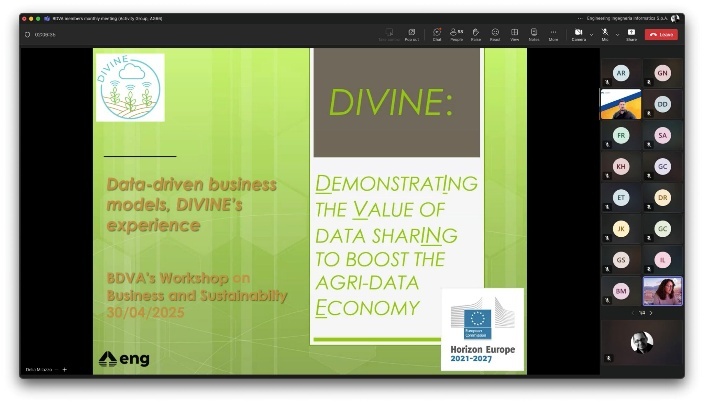
On April 30th, the BDVA - Big Data Value Association Monthly Meeting – Activity Group 66 was held online and focused on the economic, business and sustainability dimensions of data and AI, as well as on the AI Continent Action Plan and the European Data Union.
We were proud to have Delia Milazzo from Engineering Group represent the DIVINE project, delivering an insightful presentation on DIVINE data-driven business models in agriculture. She shared:
- the DIVINE vision to accelerate the agri-data economy through real-world pilot demonstrations
- an overview of diverse revenue models and stakeholder perspectives
- key insights from a stakeholder survey on preferred business models, with the goal of evaluating the economic and operational impacts of data sharing in agriculture
future directions for next-generation data-driven business models focusing on bottom-up design, robust data governance, sovereignty, and interoperability, as well as hybrid revenue models and agile strategies.
Data Week 2025
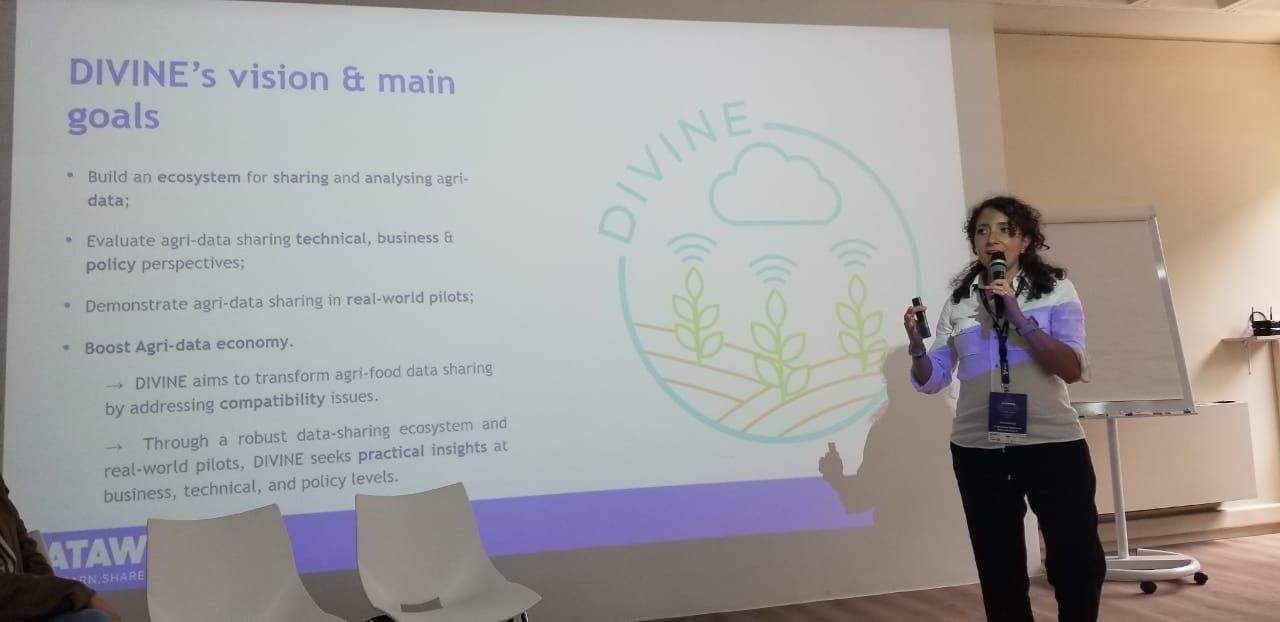
The DIVINE project proudly took part in Data Week 2025, organized by the BDVA - Big Data Value Association and hosted by OTE Group of Companies (HTO), in Athens, Greece, on 27-28 May. Together with other innovative initiatives, DIVINE contributed to the insightful session “Democratizing digital agriculture: Breakthroughs and challenges”.
Delia Milazzo from Engineering Group delivered an engaging presentation on “Validating dataspace interoperability with TRUE Connector and developing sustainable business models”, emphasizing the importance of secure, interoperable data-driven solutions for the future of agriculture.
Our project coordinator, Ioanna Roussaki from ICCS - NTUA, also showcased the extended Agricultural Information Model developed within DIVINE, which is based on the original model proposed in the H2020 DEMETER project.
The event was an excellent platform for knowledge exchange and collaboration, bringing us closer to related projects like OpenAgri, O-CEI, QuantiFarm, DEMETER and ScaleAgData.
ENFIELD x DIVINE: Joining forces for the future of AI in agriculture
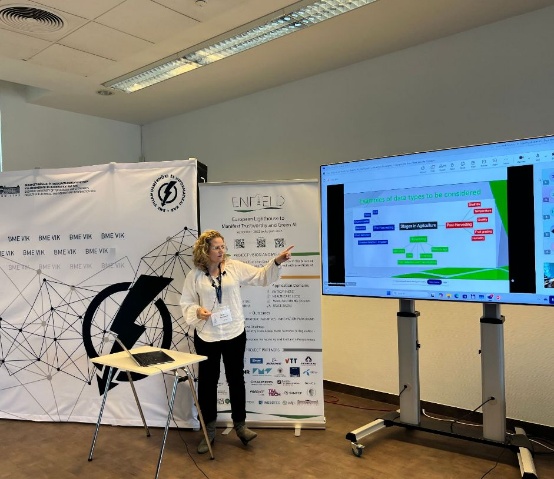
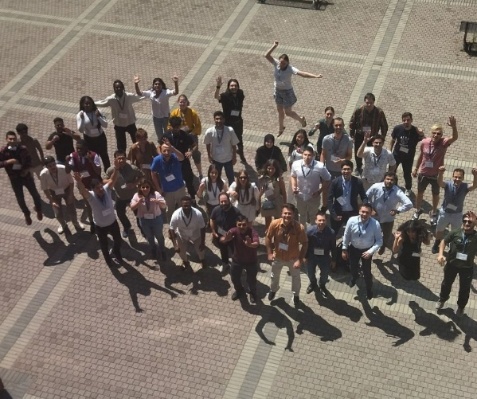
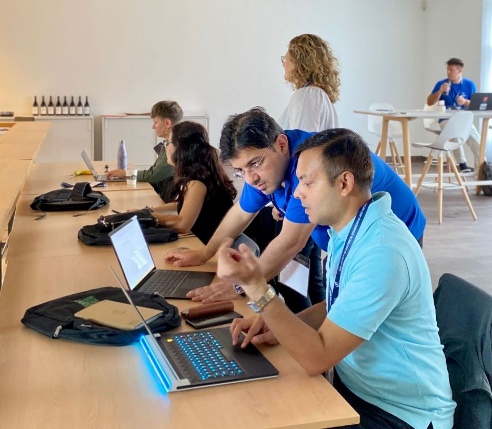
Our Project Coordinator, Ioanna Roussaki from ICCS - NTUA, presented the DIVINE project at the ENFIELD AI Summer School, hosted by the Budapest University of Technology and Economics, from July 28 to August 1.
The summer school brought together students, researchers, and professionals to explore cutting-edge topics in adaptive, green, human-centric and trustworthy AI. Discussions spanned across multiple sectors, including agriculture and food systems.
Participants learned how DIVINE delivers innovative AI-driven solutions to:
- Strengthen the data economy in agriculture
- Support smarter, data-informed decision-making for farmers
- Enhance efficiency and sustainability across the agri-food value chain
Pilot-led training seminars, collaboration and outreach activities
Benchmarking sessions in Slovenia
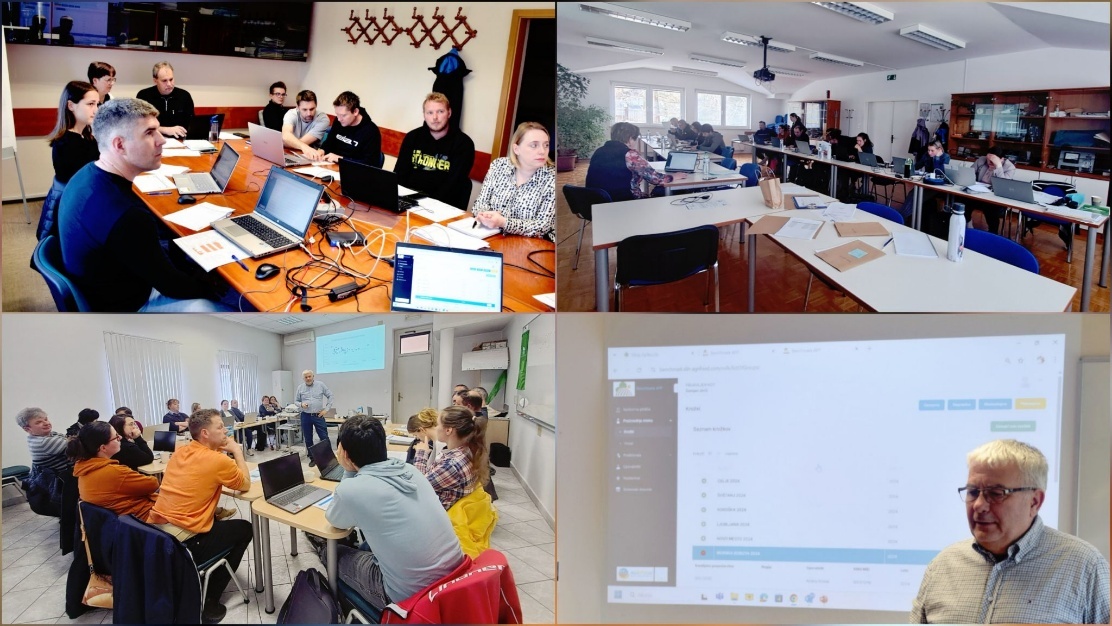
Our Slovenian partners, Innovation Technology Cluster (ITC) and Kmetijsko Gozdarski Zavod Murska Sobota (KGZS) have organized a series of five training seminars across Slovenia held in:
- Slovenj Gradec
- Celje
- Šoštanj
- Kranj
- Murska Sobota
During these sessions, they presented the benchmarking tool for milk production, developed within DIVINE, demonstrating how it can support data-driven decision-making for dairy farmers. Dozens of farmers, agronomical experts and other agricultural stakeholders had the opportunity to explore the tool’s features, test its functionality firsthand and provide valuable feedback for the refinement of the final version of the tool.
AGRA 2025 in Slovenia
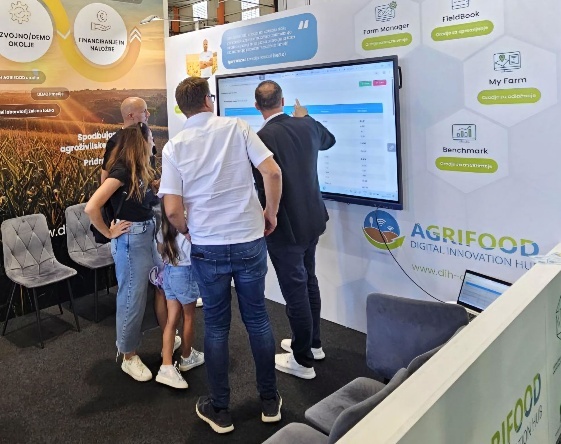
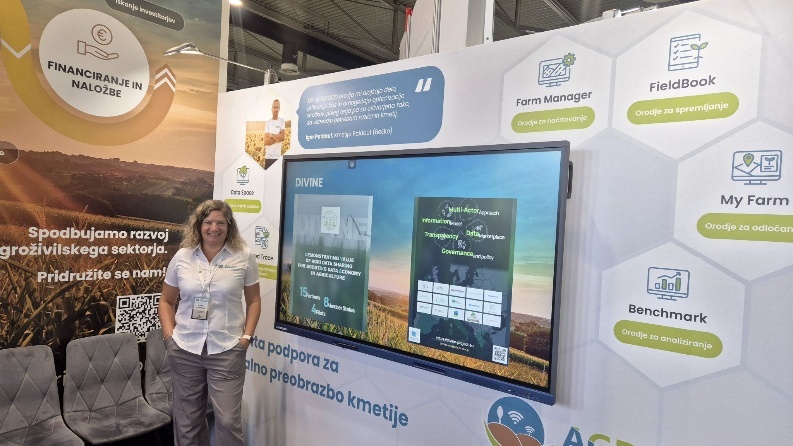
The DIVINE project was featured for one more year at Slovenia’s largest International Fair for Agriculture and Food (AGRA 2025), held in Gornja Radgona from 23–28 August, with more than 1,700 exhibitors and 100,000 visitors from 35 countries around the globe.
At the Innovation Technology Cluster (ITC)'s booth, our partners showcased the benchmarking application for milk production optimization developed within DIVINE, which supports data-driven decision-making and strengthens sustainability in farming.
Agri-tech exchange in Ireland
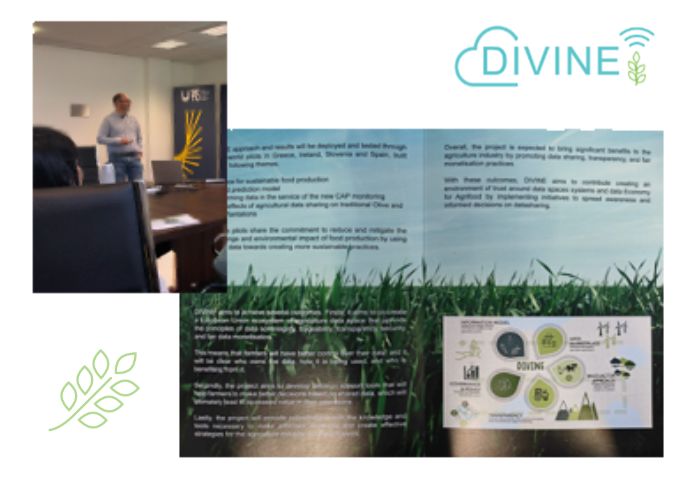
Our partners from Walton Institute (WIT) co-organized an agri-tech exchange meeting in June, bringing together key Irish actors in the agri-food sector, including Munster Technological University, AgriTech Ireland, and ENTIRE EDIH Ireland.
This gathering offered a valuable platform for sharing ideas, exploring synergies, and promoting DIVINE activities, learnings, and vision for smarter, data-driven, sustainable agriculture. Particular attention was given to the Irish pilot and the crop-yield prediction model developed within DIVINE, sparking productive discussions on its potential applications and future development.
Online events and activities
DIVINE webinar
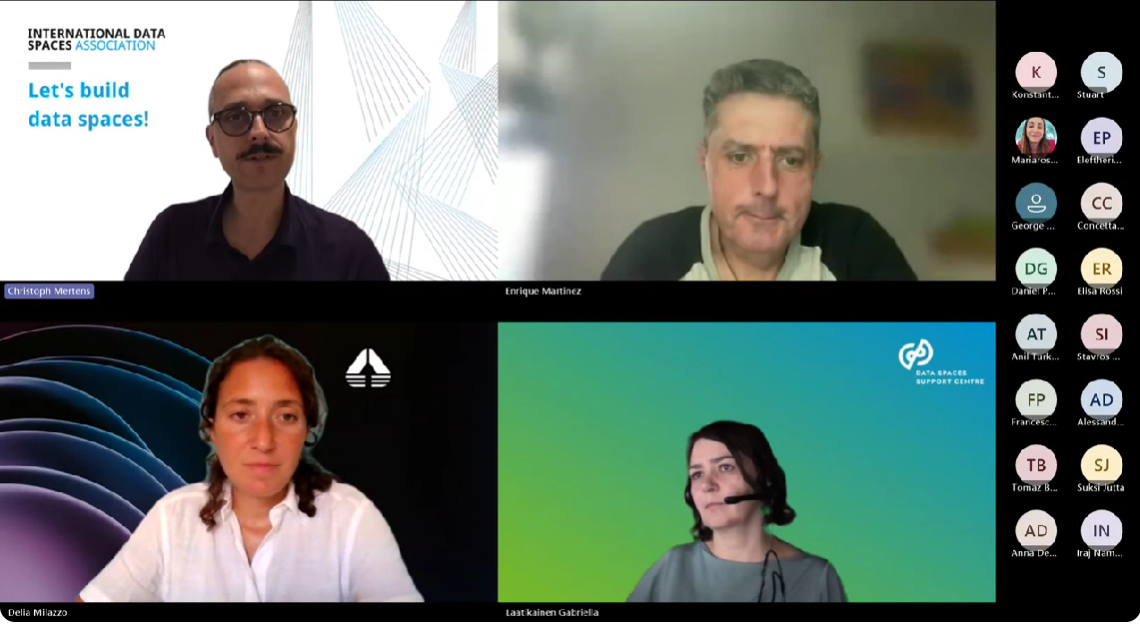
DIVINE organized the webinar “Towards Sustainable Business Models for Data Spaces – Insights from IDSA and DSSC” on June 30, bringing together two leading initiatives, the International Data Spaces Association (IDSA) and the Data Spaces Support Centre (DSSC), to share frameworks and strategies for creating and capturing value in data spaces. The webinar was a great success, attracting dozens of participants.
The session was moderated by Delia Milazzo from Engineering Group who opened the event by outlining its objectives and highlighting the relevance of business model innovation for data spaces within the context of DIVINE.
Gabriella Laatikainen from DSSC followed with a presentation on “Value Creation and Capture through Data Spaces: The DSSC Business and Organizational Building Blocks”. Then, Christoph Mertens from IDSA delivered a presentation on “Data Spaces Business Models”.
The webinar concluded with an interactive Q&A session that encouraged open discussion with the participants. The full recording is available on the DIVINE YouTube channel here.
STELAR x DIVINE podcast
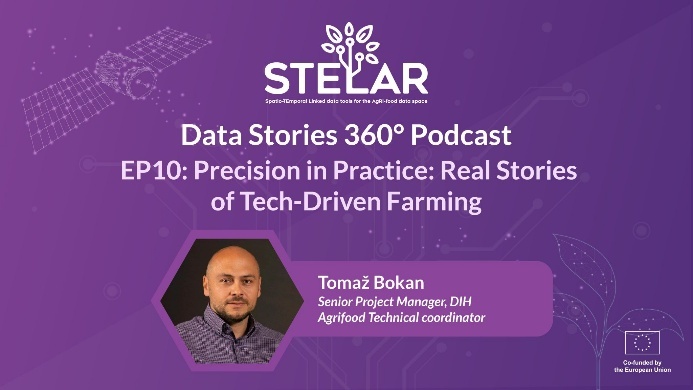
DIVINE was featured in an episode of the STELAR project's Data Stories 360o podcast, available on the STELAR YouTube channel here.
In this episode, our partner, Tomaz Bokan from Innovation Technology Cluster (ITC), shared insights from the DIVINE project as well as from other EU initiatives such as GREEN.DAT.AI, Farmtopia and STELAR.
He highlighted how emerging technologies such as AI, IoT, and earth observation are reshaping agriculture in Europe, enabling more informed decision-making and supporting the shift toward sustainable farming practices.
The discussion was hosted by Tatjana Knezevic from Foodscale Hub, who guided the conversation and connected the themes across the featured projects.
At DIVINE, we are proud to collaborate with related initiatives to amplify our shared commitment to transforming agriculture through digital innovation.
Media coverage of DIVINE activities
DIVINE on Slovenian national TV
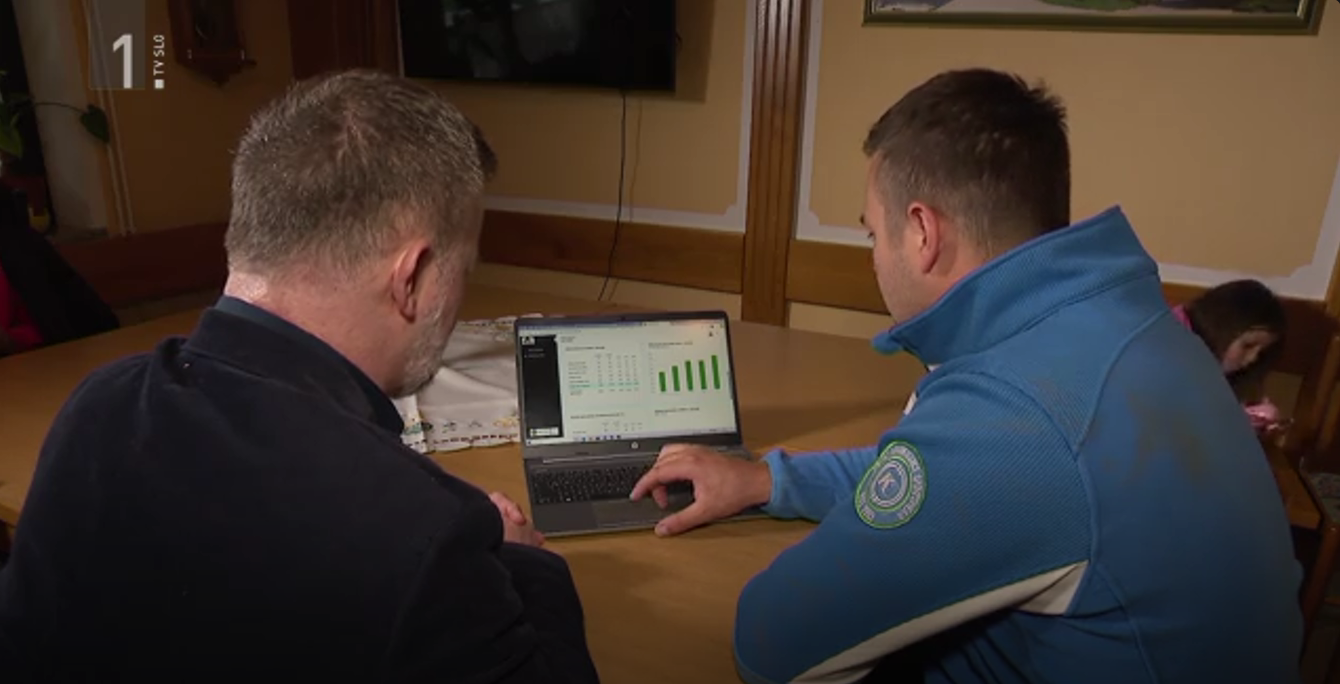
Our work in the Slovenian pilot was featured on RTV Slovenija’s national show Ljudje in zemlja (Land and Soil)! The full episode is available here.
Viewers across Slovenia had the chance to learn about the benchmarking app, designed within the DIVINE project to optimize milk production, and heard directly from young farmers who have already benefited from it.
A big thank you to our Slovenian partners, Innovation Technology Cluster (ITC) and Kmetijsko Gozdarski Zavod Murska Sobota (KGZS), for achieving such strong national visibility for DIVINE!
DIVINE on Slovenian press
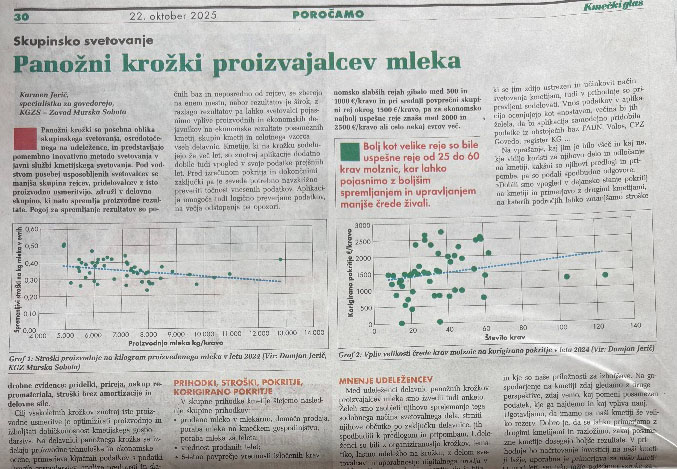
The activities of the Slovenian pilot were also highlighted in a dedicated article published in Kmecki Glas, one of Slovenia’s leading agricultural newspapers.
The piece introduced readers to the DIVINE approaches and tools, presented alongside other innovative smart farming solutions, helping raise awareness of how digital technologies can support farmers nationwide.
The article was authored by Karmen Jeric from Kmetijsko Gozdarski Zavod Murska Sobota (KGZS), showcasing the valuable contributions of our Slovenian partners to spreading the word about DIVINE.
For more updates follow us on social media: LinkedIn, Twitter, Facebook and YouTube